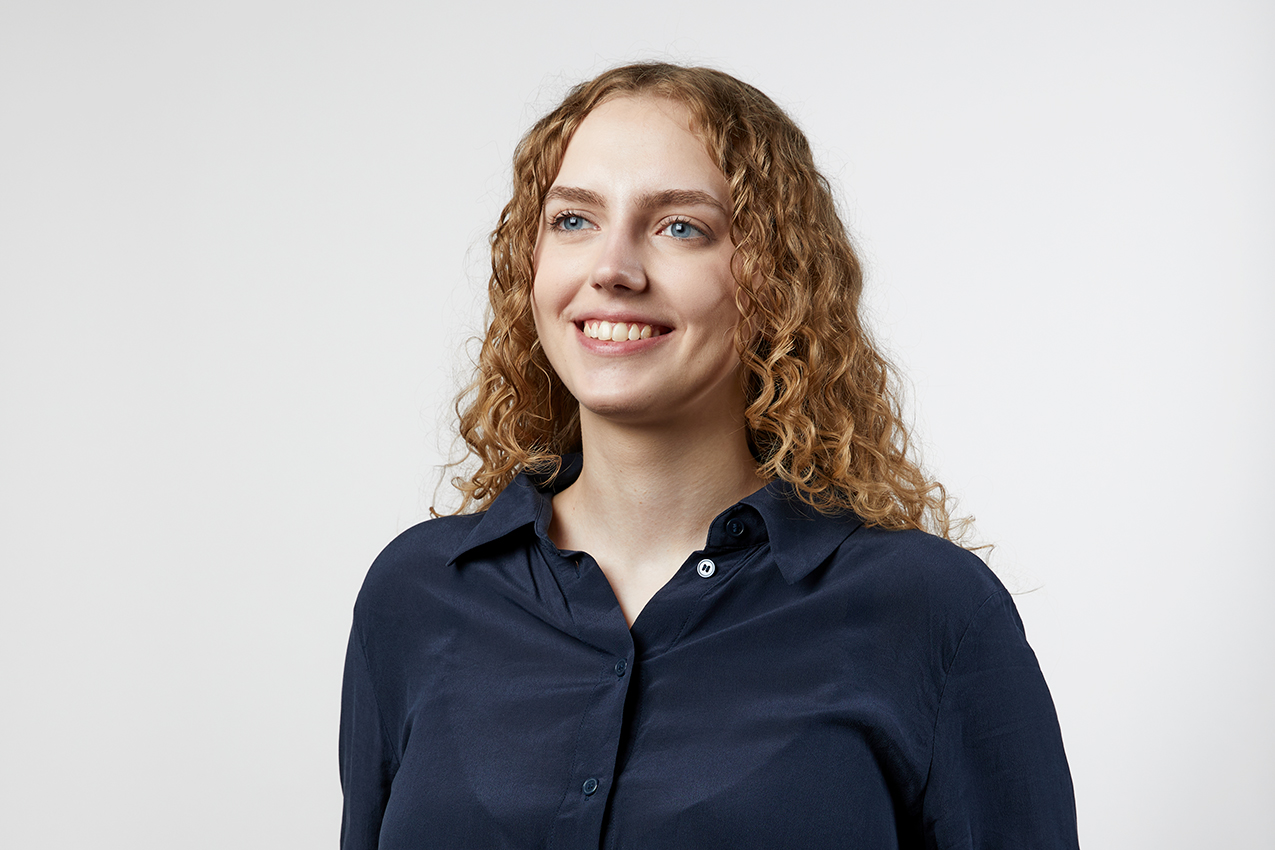
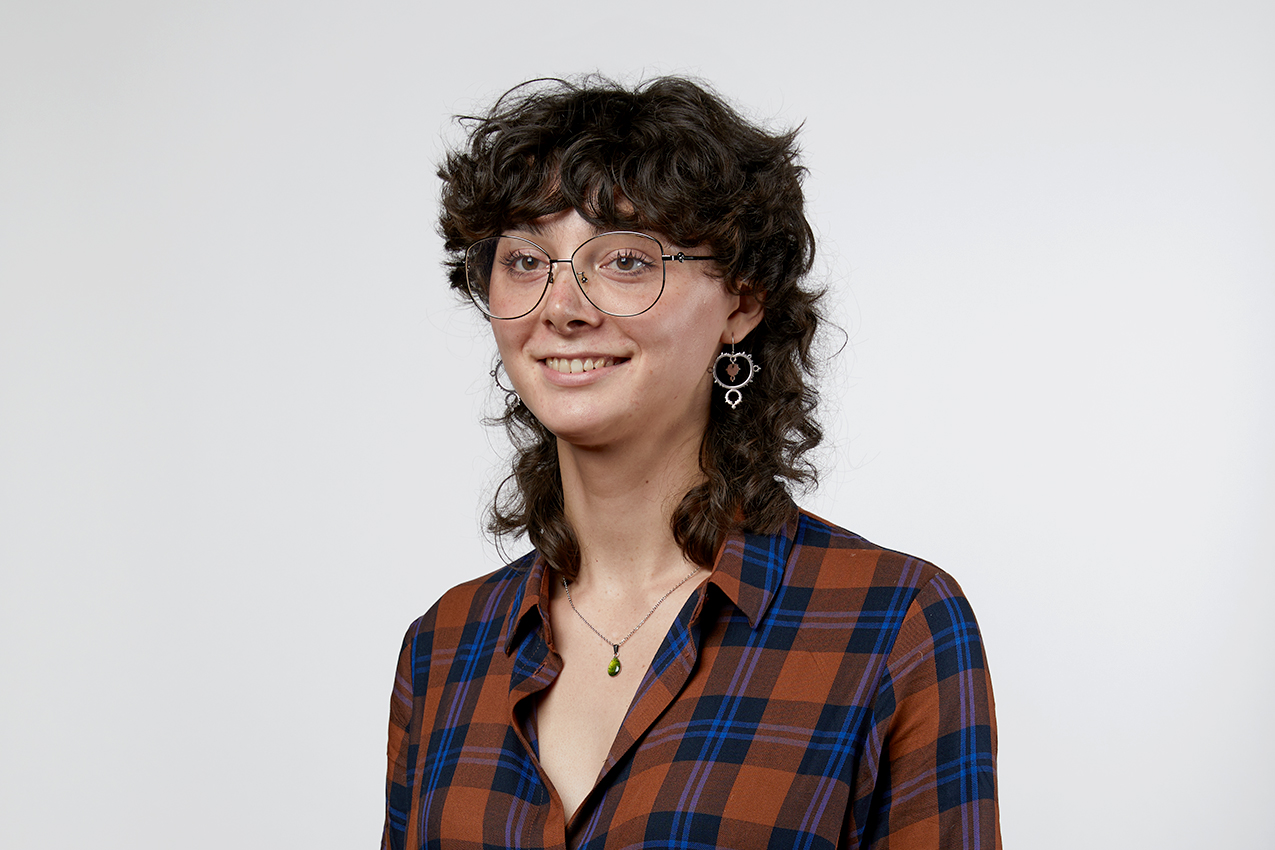
Meet the NextGen scholars: Dayyán

25 March 2026
  • NextGen

Welcome to Meet the Scholars – a new blog series celebrating the talented students supported by G-Research scholarships. These awards form a key part of our NextGen initiative, which is dedicated to nurturing the next generation of researchers in STEM and AI/Machine learning (ML).

These stories spotlight the individuals driving the future of research: their academic journeys, areas of focus and what the opportunity means to them. In this edition, we meet Dayyán, who has started his PhD at the University of Edinburgh’s Centre for Doctoral Training in Responsible Natural Language Processing (NLP).

I'm studying at the University of Edinburgh and I'm doing a CDT in responsible natural language processing. So I've actually been at Edinburgh for six years now. I did a undergraduate integrated masters there and it took five years and then just before that I was working for years as a research assistant. Very broadly, I'm interested in conversation. I think it's a very interesting environment and the way reasoning works in conversation is quite messy. Turns can change what you assume from one sentence to the next, changes quite rapidly in conversation and the topic can change. I think it's really cool. I found language models aren't that good at it, so it's an interesting area to explore. Yeah, so I'm just mostly interested in doing really cool, good research. I don't really know what direction that will take yet because it's still early days, but if I can do fun, interesting research, I'm very Happy.
Open video transcript

Dayyán’s journey so far

“I completed my five-year integrated Master’s here in Edinburgh and was drawn back by the University’s world-class NLP research group. Their work aligns perfectly with my interests, and I’m excited to be part of such a collaborative and forward-thinking environment.”

Dayyán’s research will focus on the compositionality of language models – exploring how they build complex ideas from simpler components.

“My goal is to understand how these models combine and reuse information, which I believe is essential for improving their reliability and flexibility. The G-Research Scholarship gives me the freedom to pursue this work – from running experiments to sharing findings at international conferences.”

From curiosity to contribution

A recent paper in the field, “LLMs Get Lost in Multi-Turn Conversation”, helped refine Dayyán’s research focus.

“It showed that language models often latch onto an incorrect assumption early in a conversation and fail to correct themselves, even with new information. This resonated with my own experience using ChatGPT and similar models. It’s a problem of reliability. Models have the capacity to solve a problem, but cannot apply it in the most natural setting for humans: conversation.”

For Dayyán, improving how models compose language could be key to solving that.

“A model that understands how pieces of language fit together should be more flexible and better at fixing its own mistakes. It’s a step towards making AI systems that are more robust, interpretable and trustworthy.”

Opening doors through NextGen

For Dayyán, the G-Research Scholarship provides more than funding – it offers mentorship, collaboration and a connection between academic and industry research.

“I’m most excited about how G-Research bridges the gap between academia and industry. Being part of a community that applies cutting-edge research to real problems is exactly what I’m looking for. Learning from both researchers and practitioners will be an incredible opportunity.”

What is G-Research NextGen?

With a mission to solve the world’s most complex challenges, we’re committed to shaping the future of research and innovation.

Through G-Research NextGen we will work with academic partners, educational organisations and charities to help support the next generation of STEM talent.

Learn more

Quickfire with Dayyán

Favourite way to unwind?

Going for long walks, especially through the Royal Botanic Garden or along the Water of Leith.

A recent insight about language models that inspired you?

A paper called “LLMs Get Lost in Multi-Turn Conversation”. It revealed how models can stick to a wrong assumption and fail to correct themselves – showing how much we still need to improve their reliability.

A principle that guides your research?

Robert Caro’s advice: “Turn every page.”

It means never assume anything. Be meticulous. Always read, check, test and verify.

What excites you most about being a G-Research Scholar?

The chance to connect with both academic and industry researchers – and to see how ideas translate from theory to real-world impact.

Why did you choose Edinburgh for your PhD?

I’d already completed my Master’s here and knew the NLP group well. It’s one of the world’s most productive and exciting research environments, and it’s great to stay in a city I know and love.

Stay up to date with G-Research