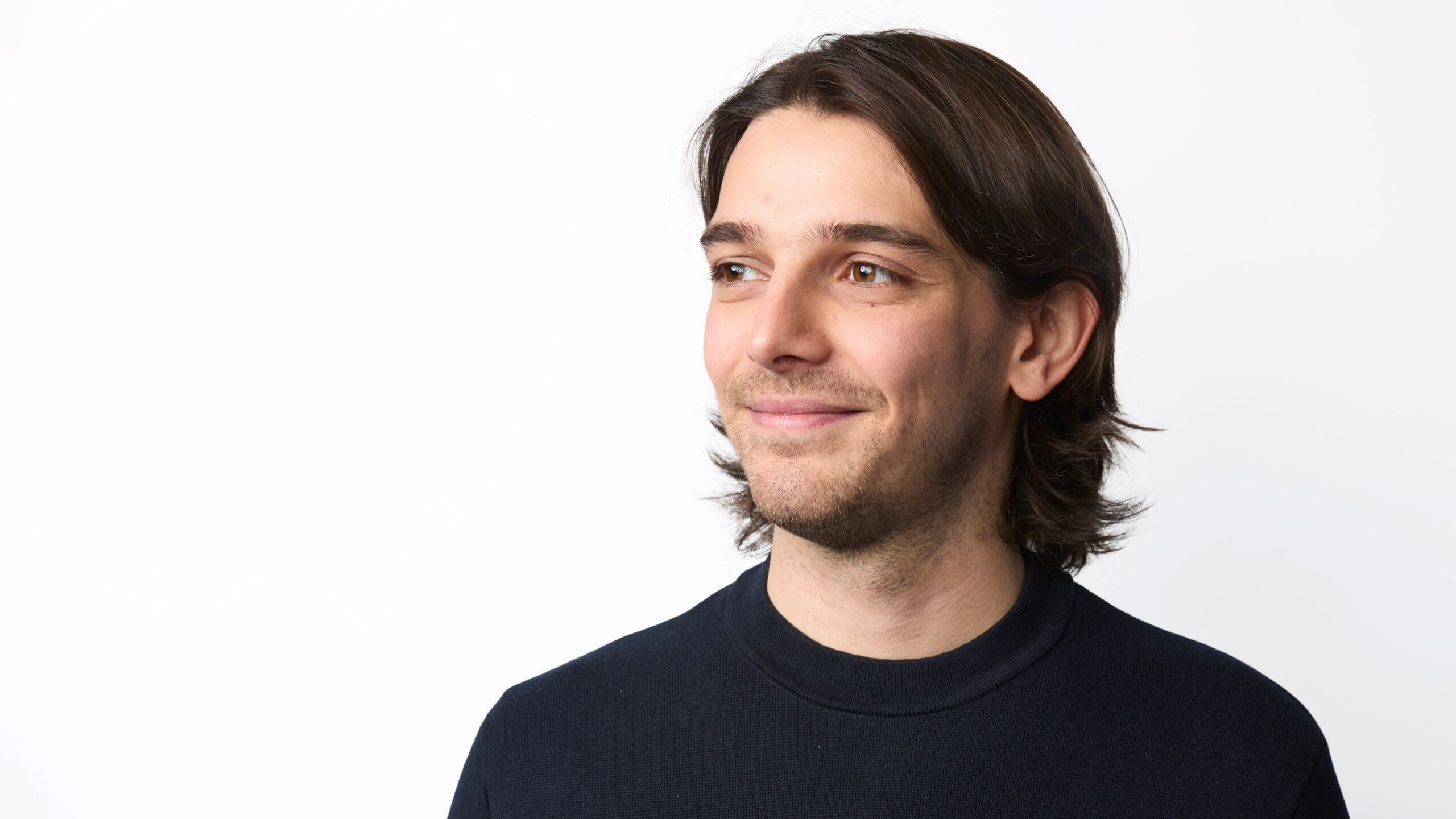
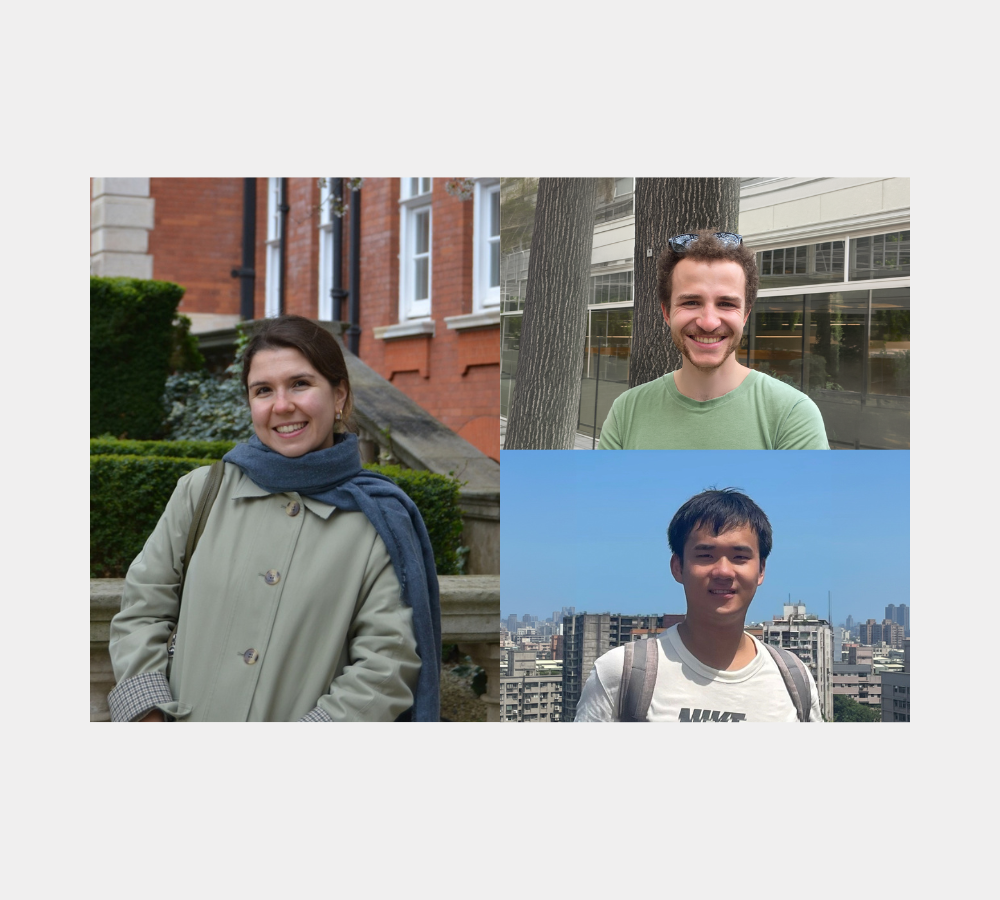
Zak Shumaylov
“I am a PhD student and a Trinity Henry Barlow Scholar in the Department of Applied Mathematics and Theoretical Physics at the University of Cambridge.
“The artificial intelligence revolution is currently driving a paradigm shift in sciences from knowledge-driven modeling (models from first principles) to data-driven modeling (models from data), promising to accelerate scientific progress. Yet, these models are fragile, biased and fail unpredictably, limiting their adoption in critical fields.
“My research confronts this problem by examining the theoretical limitations of current paradigms and using these insights to reshape our methods into ones with provable guarantees. Specifically, I focus on establishing the theoretical foundations for the use of machine learning in the sciences. This work spans various fields of applied mathematics, including non-smooth non-convex optimisation, inverse problems, imaging, scientific machine learning, geometric deep learning, and structure preservation.
For example, I introduced the concept of model collapse – a degenerative process in machine learning whereby training with synthetic data provably causes models to degrade, posing the critical and timely question of long-term generative AI improvement, given the widespread use of synthetic data in the industry.
Similarly, my work on discoverability illustrates the fundamental limitations of AI-driven “physics discovery,” providing a sobering answer for scientists asking if AI could be used to discover the governing laws of their systems. For many practical applications the answer is no, simply due to failure of an often unquestioned assumption: that systems dynamics can be uniquely identified from observations.”