G-Research 2026 PhD prize winners: Carnegie Mellon University

25 November 2026
  • News
  • Quantitative research

Every year, G-Research runs a number of different PhD prizes in maths and data science with academic institutions in the UK, Europe and beyond.

Each prize is worth up to £10,000 and is open to final or penultimate year PhD students at specific universities, working across areas including machine learning, quantitative finance and mathematics.

We’re pleased to announce the next PhD prize winners, which ran in conjunction with Carnegie Mellon University.

Learn more about our prizes

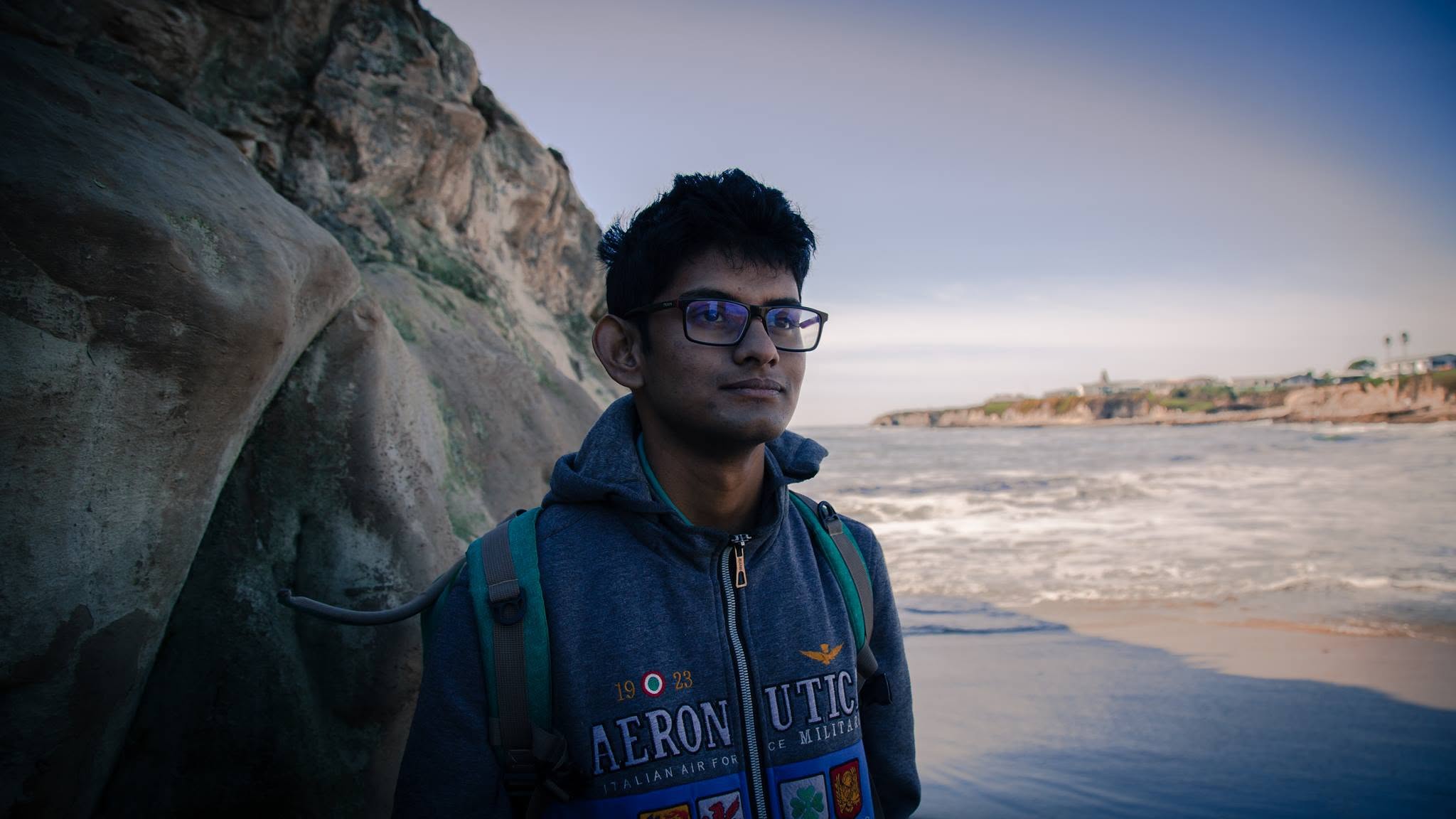
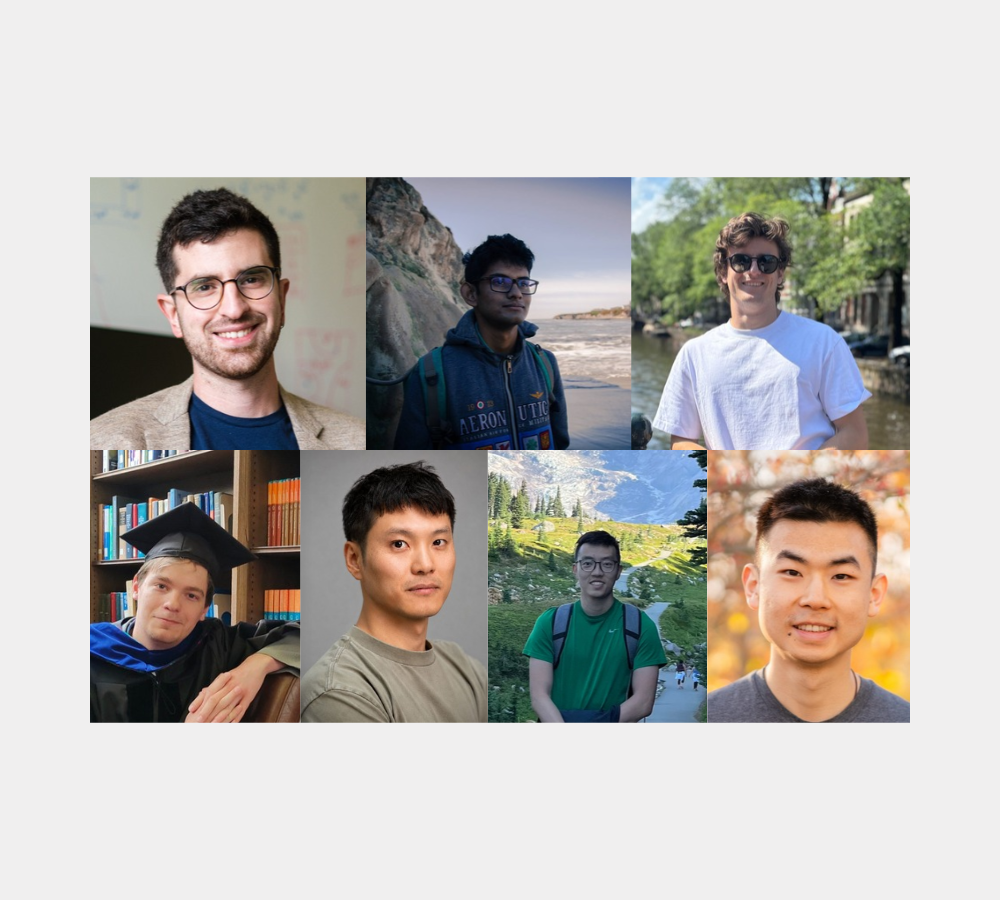
Winner: Bernardo Subercaseaux

“My research focuses on solving hard computational problems with boolean satisfiability (SAT) solvers, with a particular emphasis on problems coming from discrete mathematics, for example, graph theory, discrete geometry and even the different ways of folding boxes!

“My angle of attack is based on designing formulations of these problems that are more amenable to modern solvers. It turns out that in a wide variety of problems, using the right formulation can yield tremendous speed-ups that outweigh the choice of solver and hardware. Yet, the design of effective formulations for SAT solvers has largely remained an art, often relying on hard-won experience rather than general principles.

“My thesis, SAT Encodings: From Art to Science, aims to contribute both to the design of practical formulations that tackle long-standing problems in mathematics, and to the rigorous theoretical understanding of how succinctly we can represent computational problems as logical formulas.”

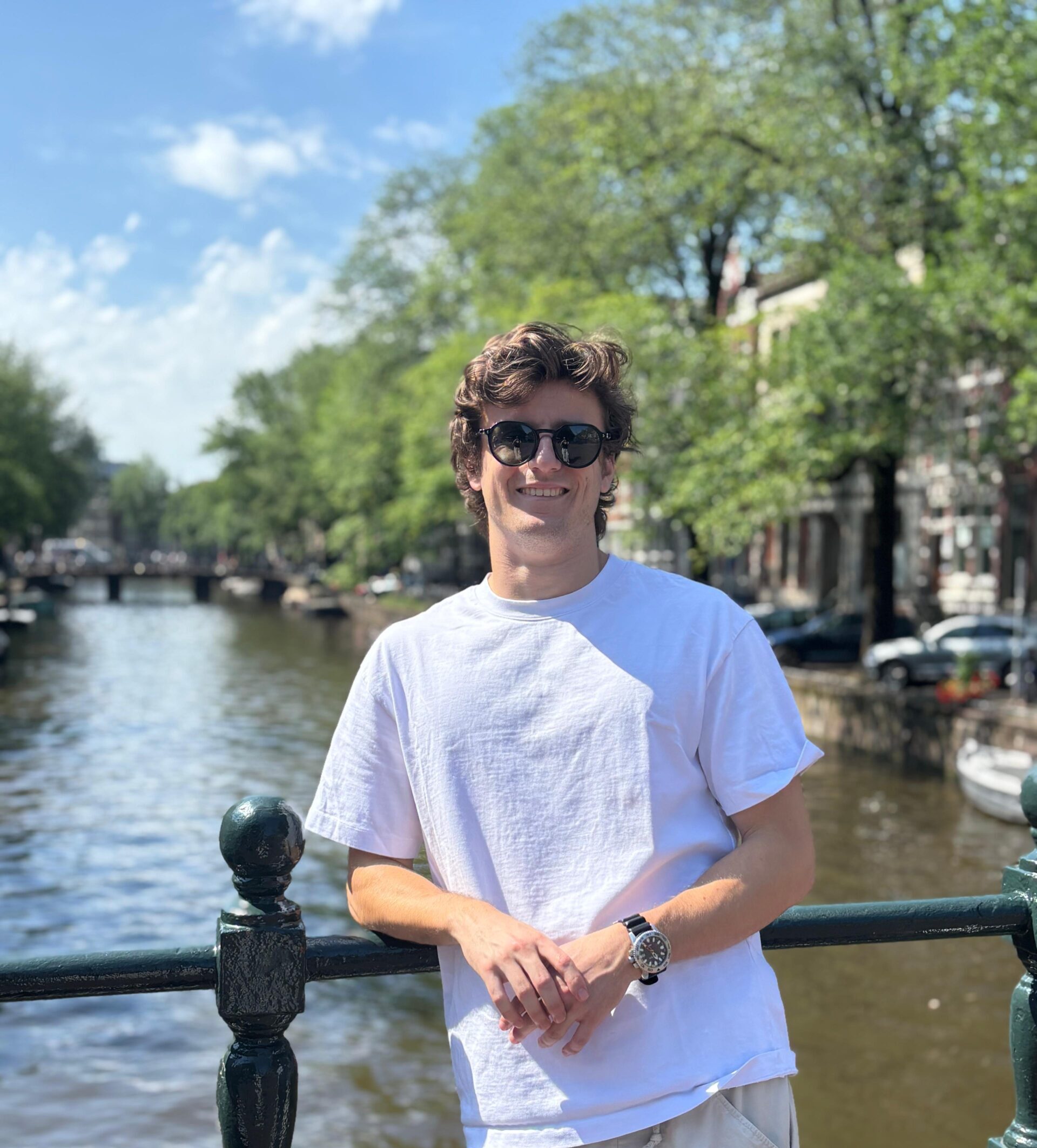
Winner: Fahim Tajwar

“During my PhD, my research has focused on reinforcement learning and post-training of modern foundation models. I am particularly interested in understanding how we can make language models more capable by improving how they learn from experience.

“My thesis explores the principles behind scaling post-training, including how to learn effectively from model-generated data, train AI agents that generalise to unfamiliar environments and design better reinforcement learning objectives for improving reasoning. In particular, my recent work investigates how rethinking the objectives we optimise can help models learn more effectively from rare successes on difficult problems, making better use of computational resources.

“What drew me to this research is the gap between the remarkable capabilities of modern foundation models and our understanding of how to reliably improve them. We live in an era where foundation models are increasingly a part of our day-to-day life, and their remarkable growth in capabilities is already answering some of our toughest challenges.

“I find it exciting that fundamental questions about learning and optimisation can lead to practical advances in what these models are able to do.”

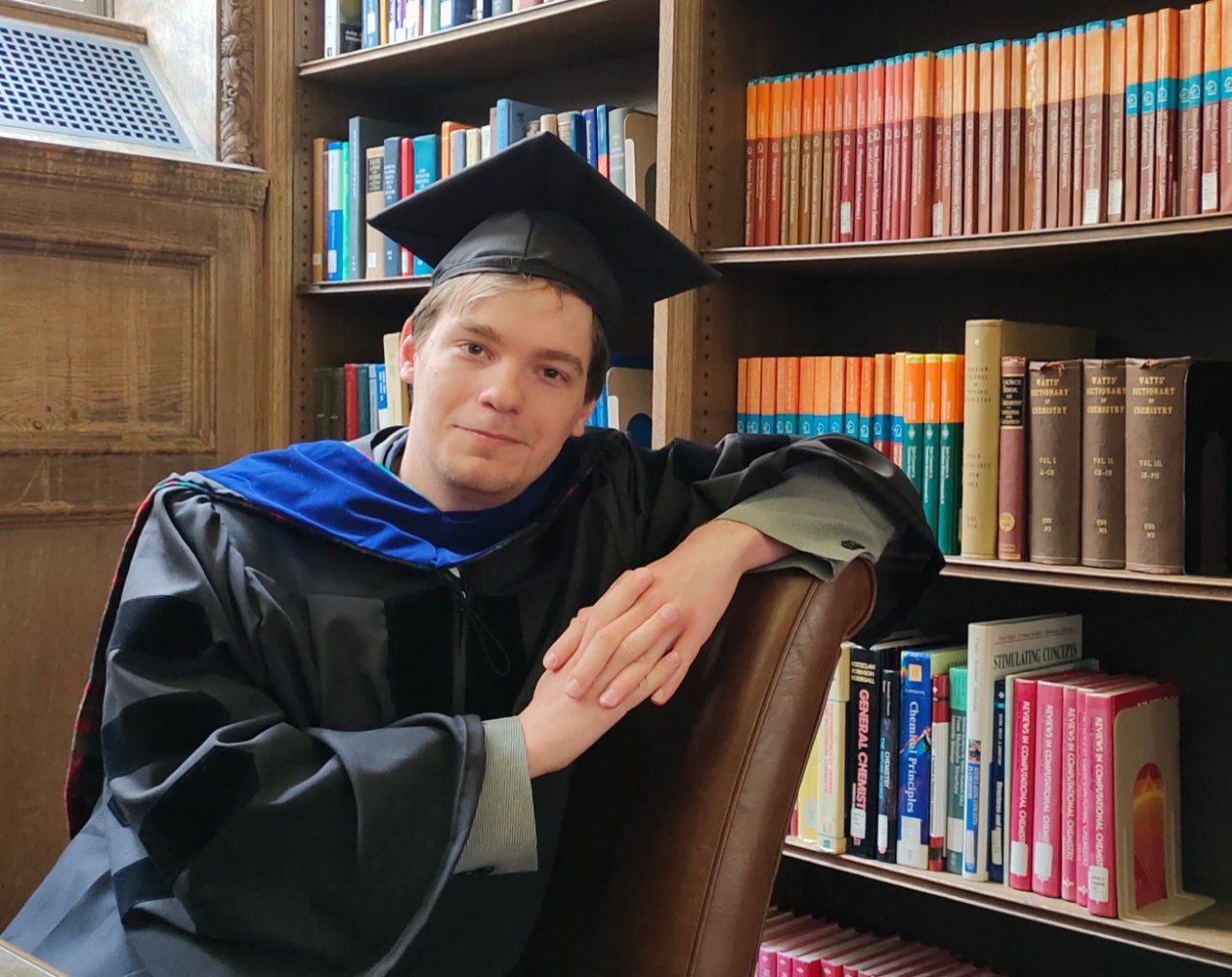
Winner: Diego Martínez Taboada

“My research lies at the intersection of statistics, probability and machine learning. I am particularly interested in fundamental questions: how can we draw reliable conclusions from complex data, especially when observations are high-dimensional, dependent or arrive sequentially?

“During my PhD, I have developed new mathematical tools for uncertainty quantification, including concentration inequalities, methods for sequential hypothesis testing and techniques for causal inference. Across these areas, my goal is to bridge advances in statistical theory with practical methods for modern machine learning and data analysis.

“Ultimately, I want my research to help close the gap between finding a compelling pattern and having convincing evidence that it is real. Whether in scientific research, machine learning or other data-driven fields, improving our ability to quantify uncertainty and avoid false discoveries is essential for making better-informed decisions.

“As data continues to grow in scale and complexity, I believe these questions will only become more important.”

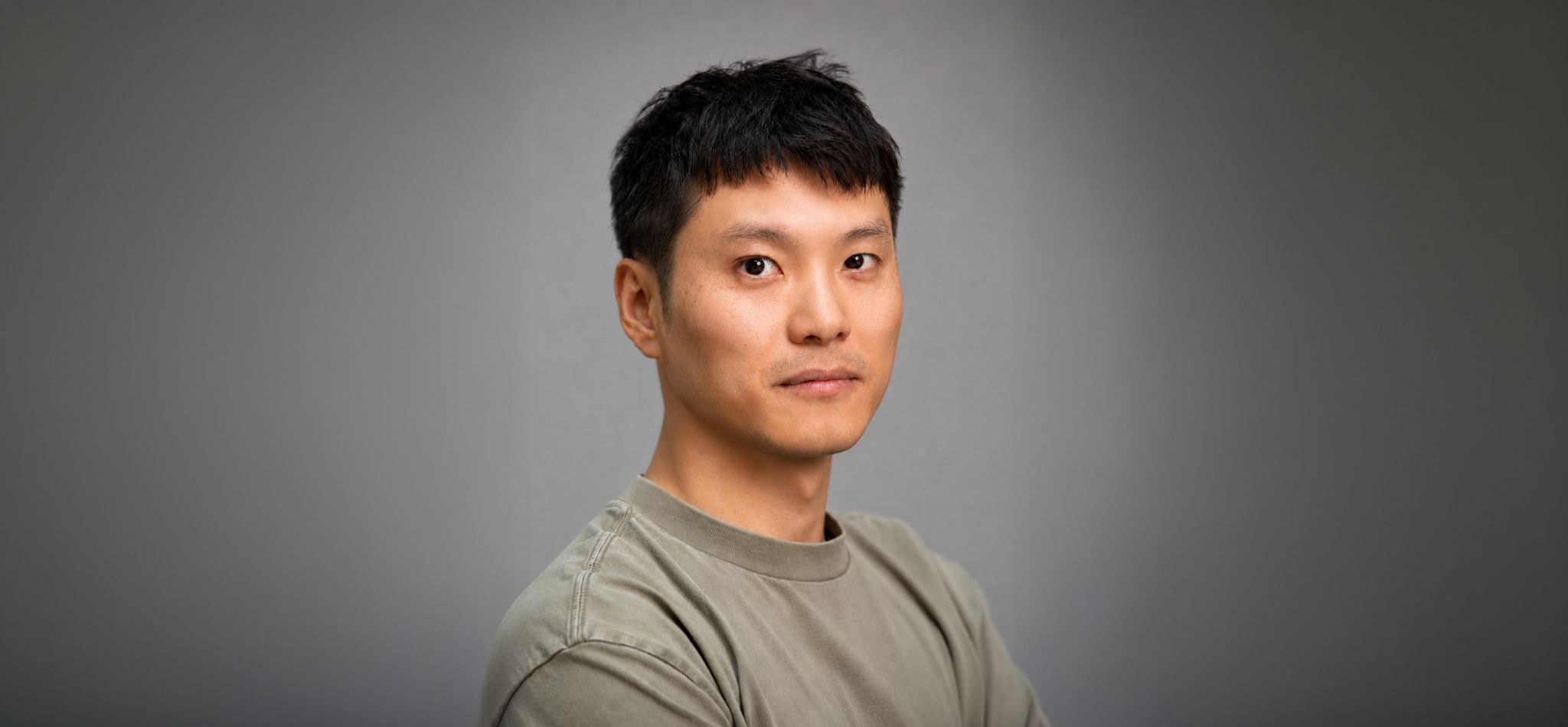
Runner up: Aliaksei Semchankau

“I work in additive combinatorics and number theory, and am particularly interested in problems with both additive and multiplicative components, as disentangling them is rather fun.

“For instance, to understand the preimages of a fixed value under the cototient function, one can resort to the help of discrete geometry and graph theory – which seemingly have nothing to do with multiplicative functions.

“My most recent research focuses on developing an analytic framework for effective linearisation of arithmetic Ramsey problems over finite fields. The advantage of removing non linearity is that linear problems admit a wider range of combinatorial approaches.

“This yields explicit bounds where only qualitative results were previously known, as well as new existence results.”

Runner up: Shawn Shuoshuo Chen

“I recently received my PhD from the Kenneth C. Griffin School of Computer Science at Carnegie Mellon University.

“My research focuses on building scalable, cost- and power-efficient networks for data centres and AI supercomputers. Scaling computing systems has long been a north star for many researchers in the systems community, myself included. As per-chip performance improvements slow down, we increasingly rely on high-performance networks to interconnect individual processors and turn them into a single, scalable, powerful computing system.

“My work demonstrates that optical networking technologies offer a promising path toward achieving this goal within practical power and cost constraints. Like many emerging technologies, optical networks introduce new abstractions that differ from those of traditional networks.

“My research therefore revisits long-held design assumptions and rethinks how we should architect data centres and the systems software built on top of them.”

Runner up: Lingjing Kong

“I’ve completed my PhD in computer science at Carnegie Mellon University. I’m driven by a question: how can we use data to understand how the world works?

“My research in causal representation learning looks for the factors and mechanisms behind what we observe. I want to build AI models that can use what they learn in new situations, that people can understand and steer, and that help scientists test ideas and make discoveries.

“That same curiosity drew me to the riddle. I love working through an unfamiliar problem until the structure behind it begins to emerge. Finding an answer is rewarding, but understanding why it works is what makes the challenge exciting to me.”

Runner up: Jing Yu Koh

“My research focuses on developing controllable machine learning models that integrate language, vision and other modalities, to achieve strong performance on reasoning and decision making tasks. My long-term goal is to build multimodal language model agents that can automate any task on the computer.

“I’m currently a final-year PhD student at CMU, where I am advised by Daniel Fried and Ruslan Salakhutdinov. My research has been recognized by a Jane Street Graduate Fellowship and a Young NUS Fellow award.

“From 2024 – 2026, I was a research scientist at Meta TBD Lab, where I led the computer-use agents team and contributed to multimodal pre- and post-training.

“Before starting my PhD, I worked on text-to-image generation at Google Research from 2019 – 2022.”

Learn more about our PhD prizes

We run multiple PhD prizes every year across the UK, Europe and more.

Abstract glossy forms flowing and merging across a dark reflective surface creating smooth ripples and undulating contours in monochrome tones

Latest events

  • Quantitative engineering
  • Quantitative research

Melbourne quant challenge 2026

30 Nov 2026 University of Melbourne, Alan Gilbert Building
  • Quantitative engineering
  • Quantitative research

Canberra quant challenge 2026

02 Dec 2026 University of Canberra
  • Mathematics

Pub Quiz: Sydney

04 Dec 2026 Upstairs at Foresters, 336 Riley Street

Stay up to date with G-Research

Join our talent network

Be the first to hear about new roles and opportunites to join our team.